
Blog Posts About Liquid Sampling Written by Our Subject Matter Experts (SMEs)

Aseptic Sampling for Quality Control: Better Data for Better Decisions
Food processing facilities collect large amounts of data to monitor, measure, and manage parameters like quality, safety, risk, efficiency, and resources, and to make countless day-to-day decisions. Data drives decisions, and in food safety and quality, a bad sample can have consequences beyond the bottom line, putting consumers at risk of negative health impacts. Effective aseptic…
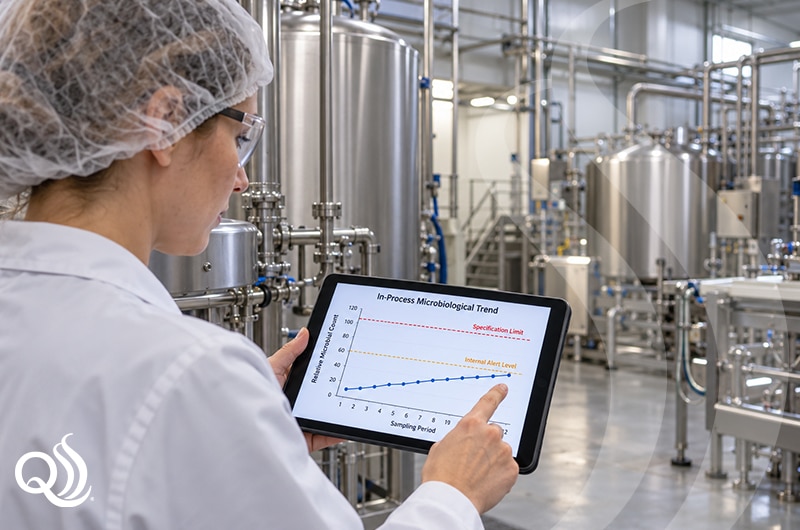
Within Spec Doesn’t Mean Under Control: Why Process Monitoring Matters
A dairy plant can run for months with every microbiological test result within limits and still be heading toward a failure. Finished product tests pass, specifications are met, and everything looks good. Then a customer reports early spoilage and a review of the records reveals something uncomfortable. The warning was simmering in the data for…
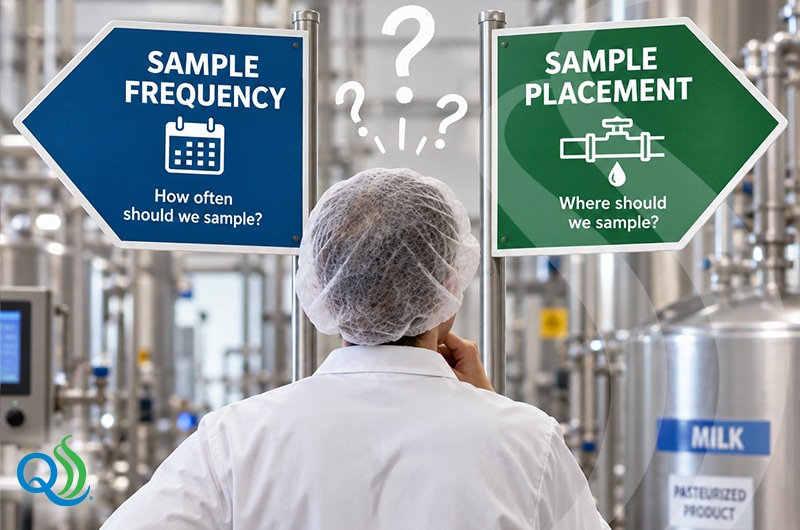
Does Sampling Location Matter More Than Sampling Frequency in Dairy Quality Control?
Every dairy plant that has survived a product contamination event can produce a sampling log that looks airtight. Samples are carefully collected on schedule during every shift, and tests are diligently logged and filed. Nonetheless, an offending organism, or other hazard, turns up in finished product before anyone in the plant can ferret it out. The instinct…

Ingredient Verification: How Hidden Raw Material Risks Lead to Food Production Waste
A raw ingredient can look perfectly acceptable at receiving, yet still create problems once it enters production. The paperwork may be complete. The container may appear intact. The supplier’s Certificate of Analysis (COA) may indicate that the lot met specifications when it was released. But conditions can change after supplier testing. An ingredient may experience temperature…
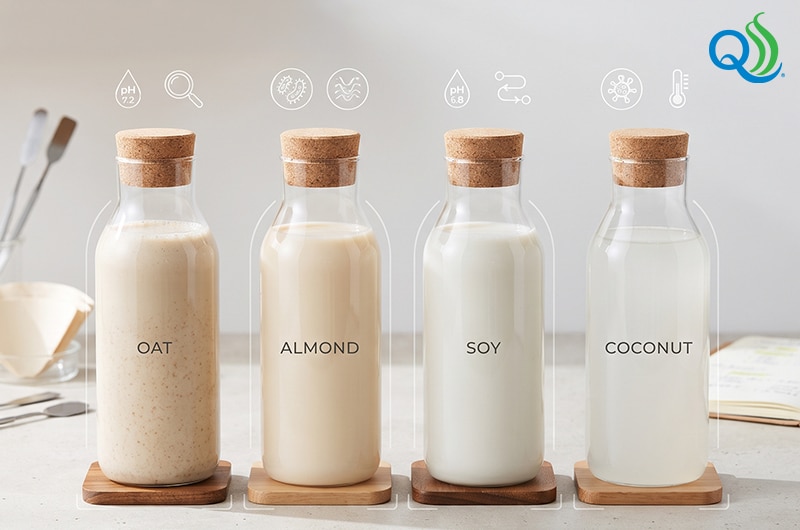
Navigating Quality Assurance Complexity in Plant-Based Beverages: Why the Dairy Playbook Falls Short
Plant-based beverage Quality Assurance (QA) is becoming more complex as oat, almond, soy, coconut, and blended functional formats mature from niche products into mainstream dairy substitutes with expectations for high quality and shelf stability.The QA infrastructure supporting plant-based beverages has often drawn on frameworks developed for conventional dairy microbiology. That borrowing creates real diagnostic risk,…

When Spoilage Isn’t from the Usual Suspects: Heat-Resistant Mold in Cheese Cultures
Spoilage in cheese production is a familiar adversary. Most quality assurance (QA) and plant managers can name the usual suspects by memory: coliforms, Pseudomonas, Bacillus, anaerobes like Clostridium, and rogue lactic acid bacteria that misbehave under stress. These problematic microorganisms are well-characterized and routinely targeted through pasteurization, hygienic design, and routine monitoring. But what happens when defects emerge…