Find practical brochures and resources to help you understand aseptic sampling, evaluate product options, troubleshoot contamination concerns, and support process monitoring in dairy, beverage, liquid food, and biotechnology applications.
Have questions? Email [email protected] or submit our Ask the Experts form to connect with our team.
Product and Application Overviews
New to QualiTru or evaluating sampling options? Start with these overview resources to understand how our ports, septa, needles, and collection tools work together across different applications.
Applications and Product Guide
A complete overview of QualiTru sampling systems, applications, and product options for dairy, beverage, liquid food, and biotechnology operations.
4 Components 4 Applications
A quick visual guide showing how ports, septa, collection tools, and accessories work together to support representative sampling.
Solve a Process or Contamination Challenge
Explore resources that explain how in-process sampling can help identify contamination risks, monitor sanitation effectiveness, and support process control before quality issues escalate.
Reliable Inline Sampling
for Dairy Processing
Improve sanitation monitoring, detect process trends, shorten investigations, and support stronger process control.
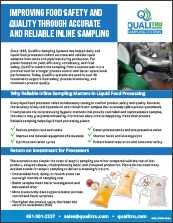
Reliable Inline Sampling for
Liquid Food Processing
Improve food safety, quality, sanitation monitoring, and process control across liquid food and beverage operations.
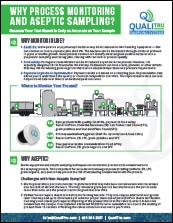
Aseptic Sampling Fundamentals
Understand where to monitor your process and how aseptic sampling helps protect sample integrity, trend data, and identify contamination risks.


Sanitation & CIP Verification
Ten little-known facts about sanitation in food and beverage processing

Process Monitoring
Ten reasons to use process controls and monitoring
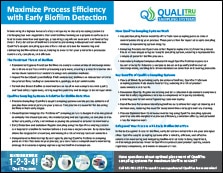
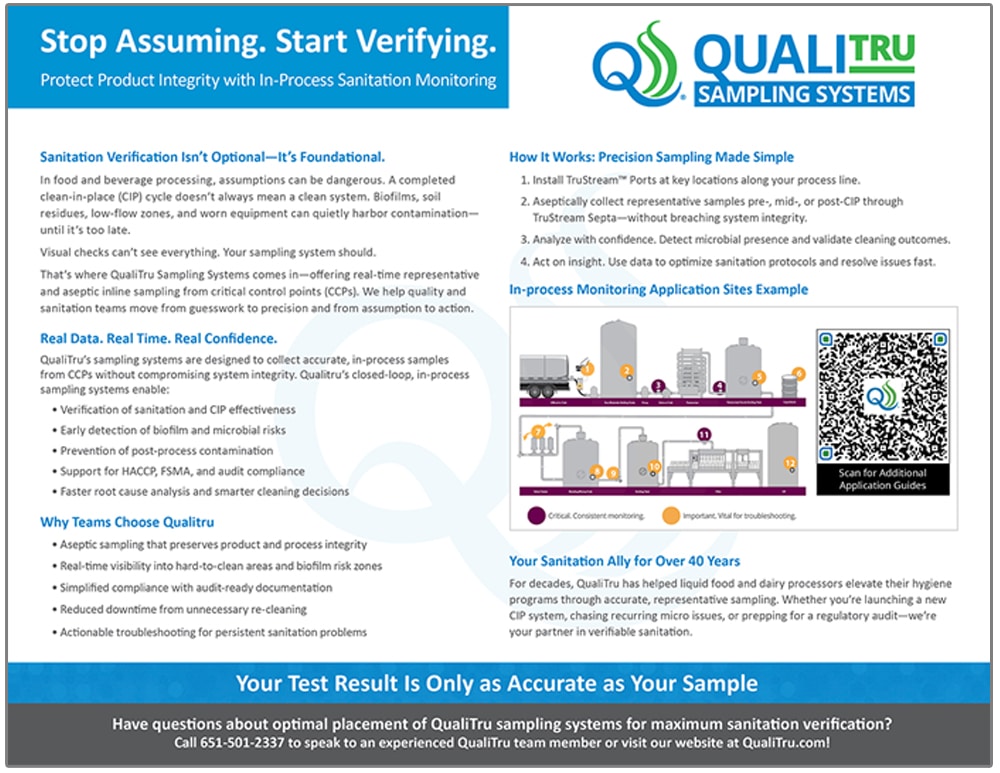
In-Process Sanitation Monitoring
Tips for Protecting product integrity with in-process sanitation monitoring
Dairy Farm Sampling and Milk Quality
Resources for dairy producers and milk quality teams looking to improve sampling consistency, monitor herd-level trends, and support milk quality decisions.

Dairy Farm Microbiology and Sanitation
Ten little-known facts about dairy farm microbiology and sanitation
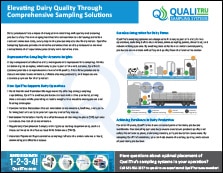
Elevating Milk Quality
Information to optimize sampling solutions to proactively help producers with real-time data.
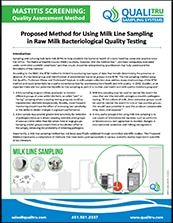
Mastitis Screening: Quality Assessment Method
Proposed method for using milk line sampling in raw milk bacteriological quality testing
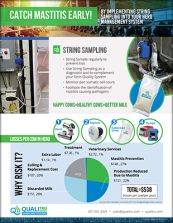
Mastitis Farm
Catch mastitis early by implementing string sampling into your herd management system.
Product Information Sheets
Compare individual QualiTru products and find the right sampling components for your application, process location, and sample type.
Sampling Ports and Access Points
Find the right port or access point for inline sampling, tanker applications, ingredient containers, drums, totes, and process equipment.
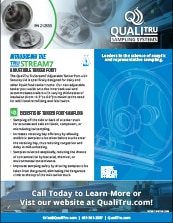


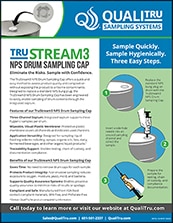
Sampling Supplies and Collection Tools
Review sterile collection options and septa designed to support closed-system sampling across a range of liquid applications.
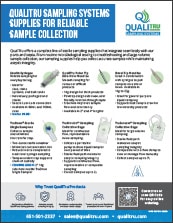
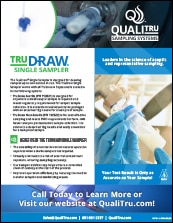
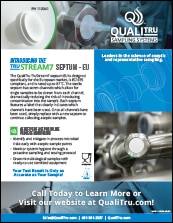
Application-Specific Sampling Solutions
Explore product combinations and sampling approaches designed for specific quality, monitoring, and control needs.


Featured Downloads: Liquid Foods Spoilage Guides
Use these quick-reference microbiology guides to help troubleshoot common spoilage patterns, connect defects to likely organism groups, and support more focused root cause investigations in dairy and plant-based beverage applications.
Complete the appropriate form below to download the guide that best fits your process.
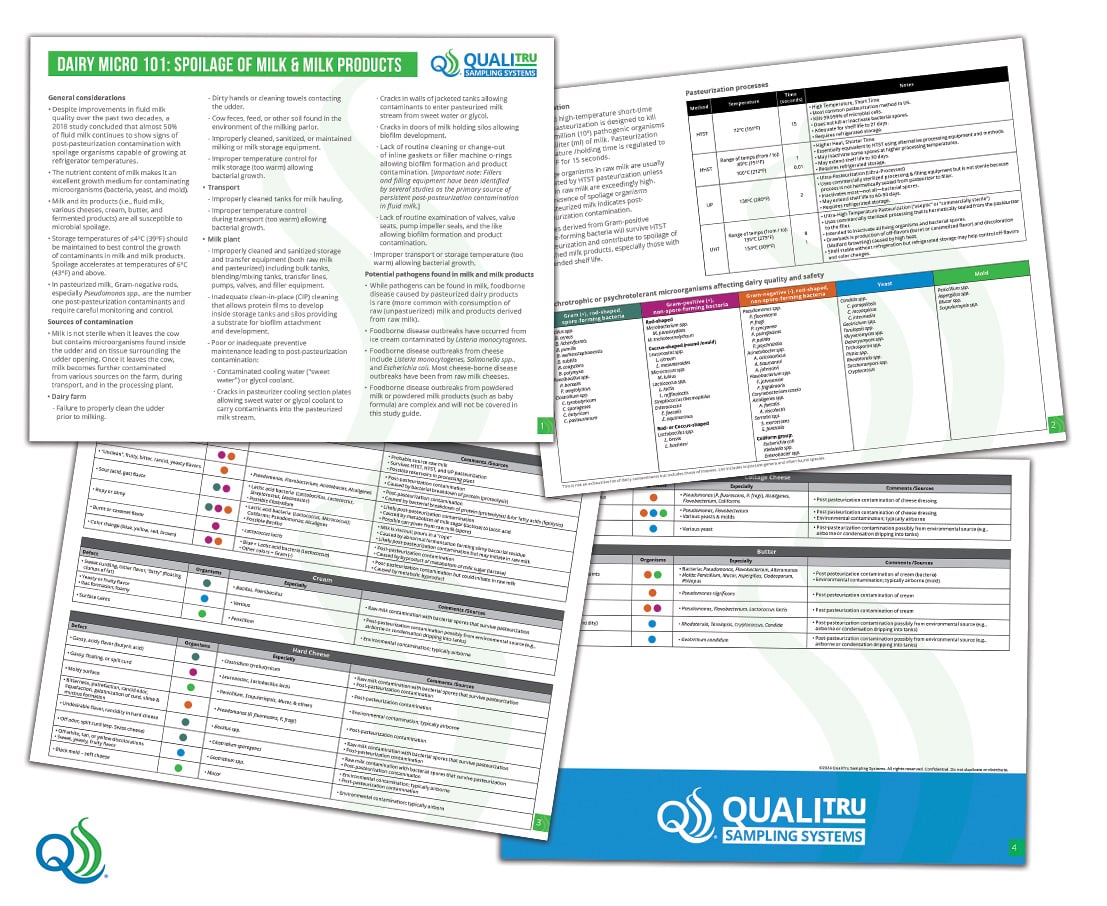
Spoilage of Milk & Milk Products Guide
Use this guide to better understand psychrotrophic and psychrotolerant microorganisms and the microbiologically induced quality defects that can affect pasteurized dairy product quality and safety.
This color-coded reference helps dairy quality, food safety, and technical teams connect common spoilage defects with likely microorganism groups, supporting more focused troubleshooting and process review.
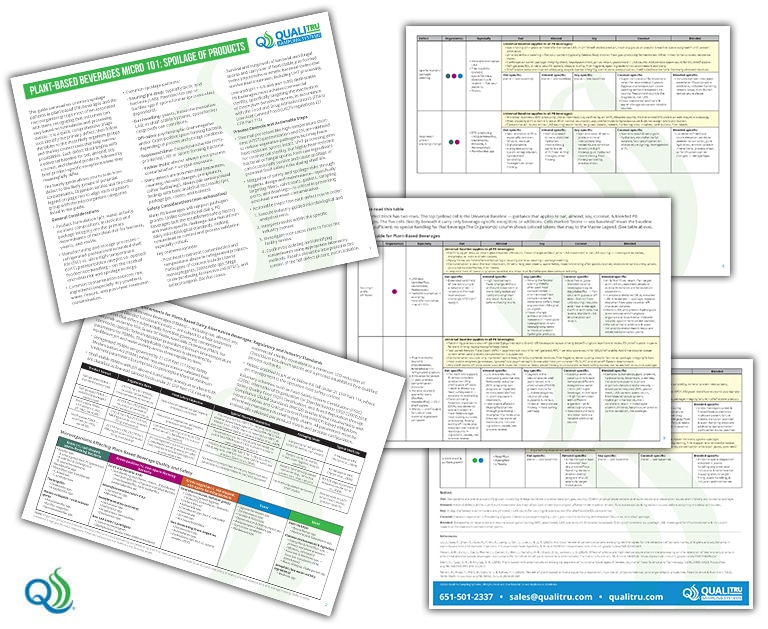
Spoilage of Plant-Based Beverage Products Guide
Plant-based beverages vary by formulation, processing method, packaging, and storage conditions. This resource helps quality and food safety teams triage spoilage defects across oat, almond, soy, coconut, and blended products.
The color-coded tables connect microorganism groups with defects such as souring, gas formation, off-odors, ropiness, separation, and visible mold, with context cues to help narrow potential contamination sources.