

Blog Posts About Liquid Sampling Written by Our Subject Matter Experts (SMEs)
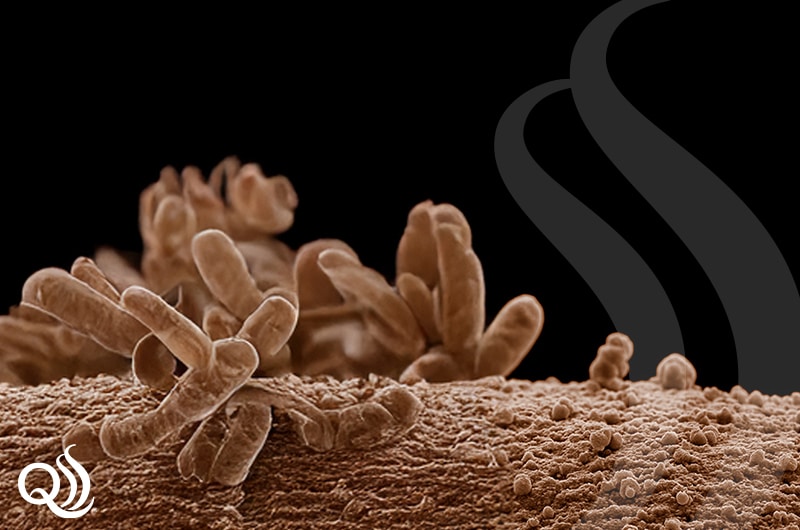
Proactive Biofilm Surveillance™
A New Approach to Contamination Prevention in Food and Dairy Processing What is Proactive Biofilm Surveillance™? Proactive Biofilm Surveillance is a data-driven approach that uses surface chemistry and organism behavior to anticipate and prevent biofilm formation in food and dairy processing. By matching Gram-positive and Gram-negative attachment patterns to hydrophilic and hydrophobic materials, quality assurance…

The Math Behind the Microbial Menace: Dairy Product Sampling Strategies for Low-Level Contaminants
Key Takeaways This article is a deep, technical dive, but these key takeaways give you a quick overview of the most important concepts and conclusions on contamination, detection, and dairy product sampling strategies. Small Numbers, Big Consequences In dairy processing, persistent quality problems such as off-flavors, textural changes, and visible spoilage begin with imperceptibly small…
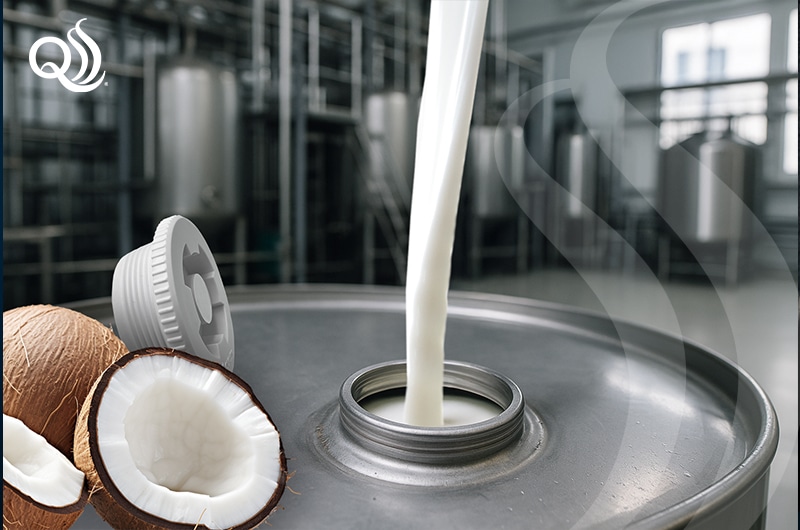
The Challenges of Coconut Milk Spoilage: What Manufacturers Need to Know
Coconut milk spoilage poses an ongoing challenge for manufacturers, even as coconut-based products gain popularity worldwide. For centuries, coconuts, coconut water, and coconut milk have been wholesome protein rich staples in many tropical countries, and coconut oil has been used in culinary and personal care routines for about as long. The significant health benefits, including anti-carcinogenic, anti-microbial,…

Hitting the Mark! Inline Sampling for Water Quality Verification in Food Safety
Why Is Inline Sampling Important for Water Quality? Water is a critical component in the food and beverage industry—yet it also poses one of the most significant contamination risks. Whether used for washing, rinsing, or as a product ingredient, water can harbor pathogens like E. coli, Listeria, and Salmonella if not monitored properly. Effective water quality verification is essential to detect…
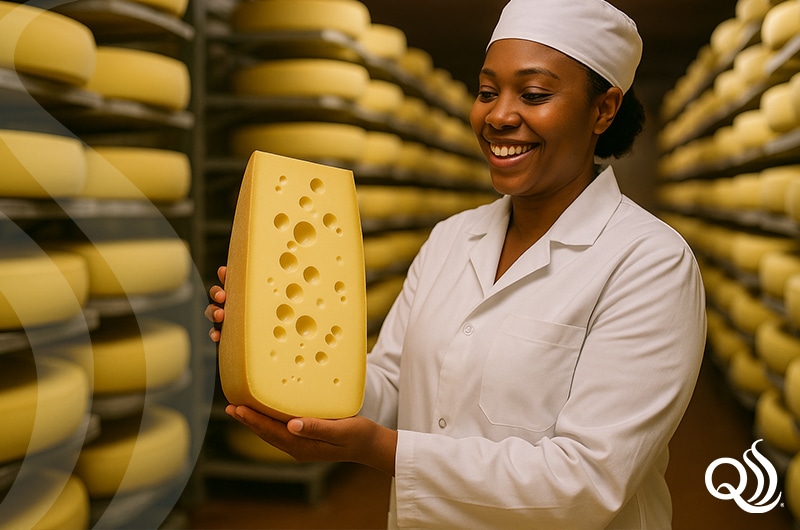
Eye on the Prize: Preventing Cheese Defects by Managing Gas Formation in Swiss and Emmental Cheeses
Cheese defects resulting from abnormal gas formation, whether excessive or insufficient, can compromise product integrity, shelf life, and consumer confidence. For example, eye development in Swiss and Emmental cheeses is both a visual hallmark and a sensory signature. The size, shape, and distribution of these eyes signal not only aesthetic success but microbial precision and process…
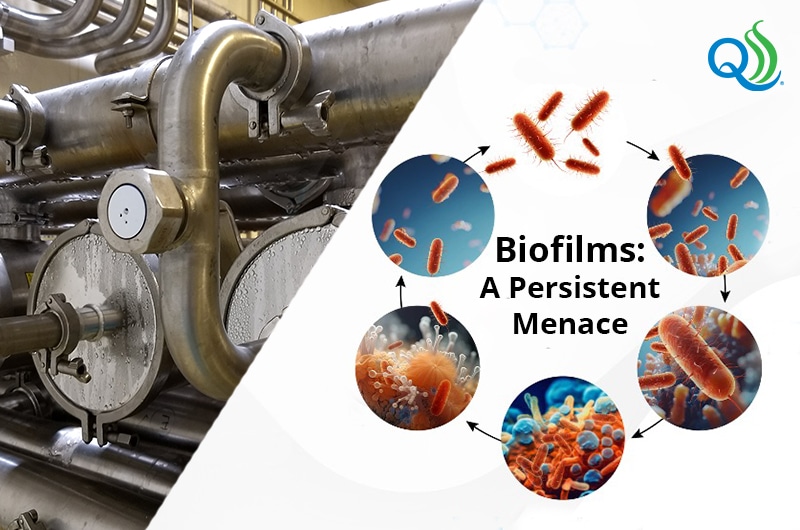
Whey Processing: How Biofilms Silently Sabotage Extended Runs
Whey processing during cheesemaking is a balance of biological precision, equipment design, and time-sensitive process control. While modern production facilities have mastered the major threats to quality and efficiency, even in the most advanced plants, one subtle but insidious threat continues to compromise extended production runs: biofilms in the whey processing line. These resilient microbial…