


Preventive and Predictive Maintenance: What is the Difference?
In the rapidly evolving landscape of the liquid food industry, maintenance strategies play a pivotal role in ensuring operational efficiency, product quality, and safety. Among these strategies, preventive and predictive maintenance stand out as two fundamental approaches, each with its distinct methodology and impact on the production lifecycle. Understanding the nuances of these maintenance strategies and the role of aseptic sampling is key to enhancing predictive maintenance practices.
Understanding Preventive and Predictive Maintenance Strategies: Scheduled vs. Data-Driven
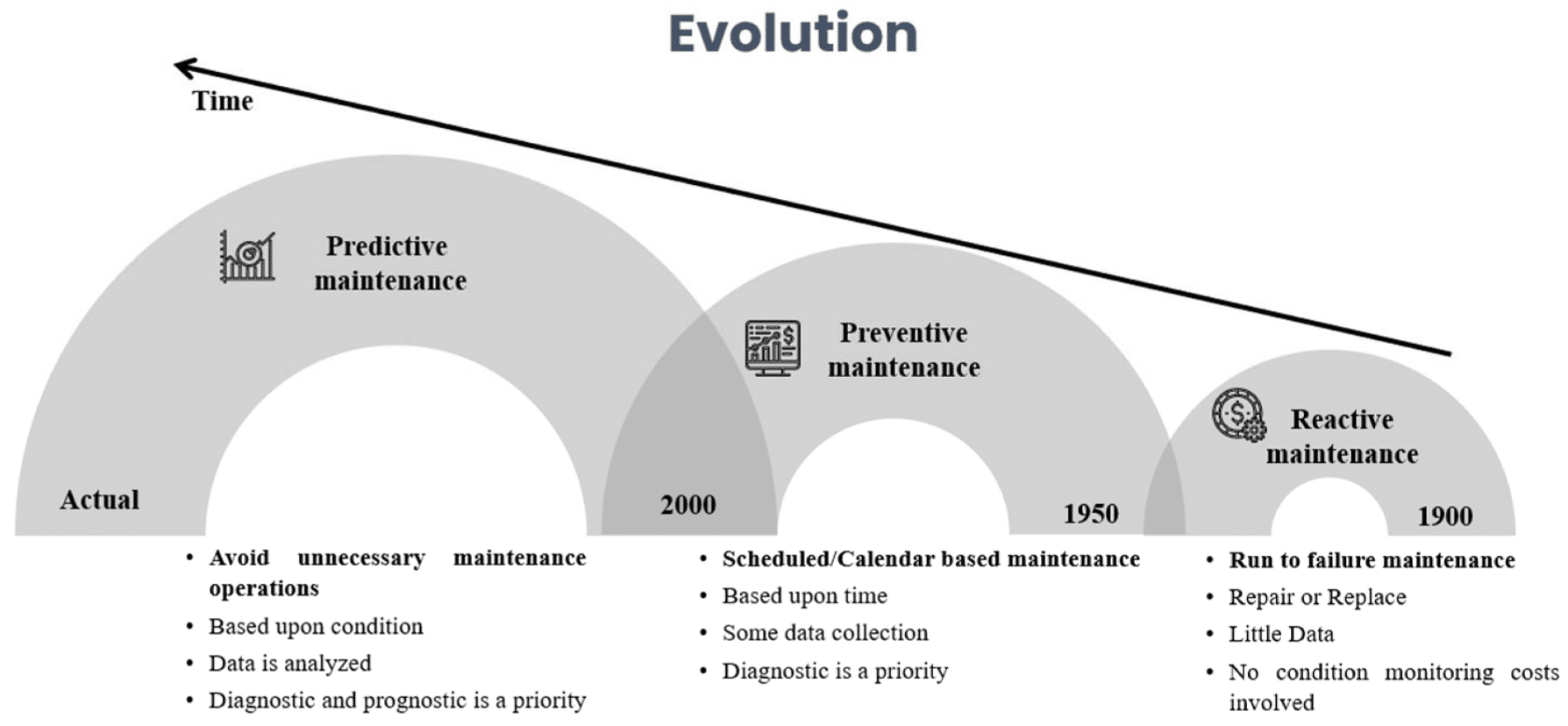
Preventive maintenance refers to scheduled maintenance activities performed on machinery and equipment to help prevent unexpected failures. This strategy is based on a time or usage schedule, ensuring that maintenance tasks are carried out at regular intervals, irrespective of the equipment’s current condition.
Preventive maintenance is typically used to:
- Minimize the risk of equipment failure
- Maintain consistent production quality
- Support reliable, repeatable operations
However, this approach can have limitations, including:
- Unnecessary maintenance tasks when equipment is performing normally
- Potential to overlook emerging failures that do not align with the maintenance schedule
Predictive maintenance, represents a more data-driven approach that uses condition-based monitoring (CBM), prognostics and health management (PHM), and estimation of the remaining useful life (RUL) of equipment. It relies on data collected from sensors installed on the equipment. That data is then analyzed using machine learning models to predict when equipment is likely to fail or require maintenance.
Predictive maintenance can help:
- Reduce unnecessary maintenance activities
- Lower operational costs
- Support uninterrupted production processes, which is critical in the highly regulated liquid food industry (Achouch et al., 2022)
Key Differences in Preventive and Predictive Strategies
Maintenance Scheduling: Preventive maintenance operates on a fixed schedule based on time or usage, whereas predictive strategies rely on real-time data and predictive analytics to determine when maintenance is needed.
Cost Efficiency: By focusing on actual equipment conditions, maintenance can be more cost-effective, reducing unnecessary tasks and ensuring resources are used where they are most needed.
Operational Efficiency: Predictive maintenance aims to minimize unplanned downtime by predicting failures before they happen, whereas preventive maintenance follows a set schedule, which may not always align with the equipment’s actual condition.
Quality and Safety: Integrating aseptic inline sampling solutions with predictive methods can enhance product quality and safety by ensuring that maintenance decisions consider the product’s microbial and chemical integrity.
The Importance of Aseptic Sampling for Effective Maintenance
In the liquid food industry, product quality and safety are critical. Aseptic sampling solutions provide precise, real-time monitoring solutions that support maintenance strategies by delivering reliable insight into microbial and chemical conditions within a process.
By combining aseptic sampling with advanced monitoring technologies, companies can better understand equipment and process performance over time. This supports maintenance decisions that are based on actual process conditions rather than fixed intervals alone.
Aseptic sampling can help teams:
- Detect shifts in microbial levels that may indicate hygiene breakdowns or developing biofilms
- Monitor chemical indicators that can signal process changes, residue carryover, or cleaning effectiveness
- Identify adverse trends early, before defects appear or product quality is compromised
- Take timely corrective actions that reduce risk of contaminated product and unplanned equipment failures
This enhanced insight helps improve product quality and safety by supporting timely interventions and reducing risks associated with contaminated products or equipment issues.
Leveraging QualiTru Sampling Systems for Quality and Efficiency
Choosing between these two maintenance strategies depends on various factors, including the specific needs of the production facility, the complexity of the machinery, and the criticality of maintaining product quality and safety. Predictive maintenance, supported by QualiTru aseptic sampling systems, helps ensure maintenance strategies that provide a data-driven, efficient, and effective approach to equipment maintenance and product safety.
Discover the QualiTru difference. Optimize operations, reduce downtime, and help maintain high standards of product quality and safety with QualiTru across:
- Dairy
- Brewery
- Beverages and liquid foods
- Biofuels, enzyme manufacturing
- Nutraceutical and functional foods industries with QualiTru.
Visit QualiTru Sampling Systems today to learn more about how our aseptic sampling solutions can transform your maintenance strategy and help you stay ahead in the competitive liquid food industry.
References
Achouch M, Dimitrova M, Ziane K, Sattarpanah Karganroudi S, Dhouib R, Ibrahim H, Adda M. On Predictive Maintenance in Industry 4.0: Overview, Models, and Challenges. Applied Sciences. 2022; 12(16):8081. https://doi.org/10.3390/app12168081
Additional QualiTru blogs by Neil Bogart
If you’re looking for additional expert insights into micro testing, dairy industry practices, and food safety, don’t miss additional blog posts by Neil Bogart on the QualiTru Sampling Systems website. Neil brings a wealth of knowledge and experience to each article, offering practical advice and in-depth analysis on various topics related to quality assurance and innovative solutions in food production.
Have questions about aseptic sampling in breweries?